
This is Post 11 of 16 in the Taiwan Risk Series. Full series at polarismng.com
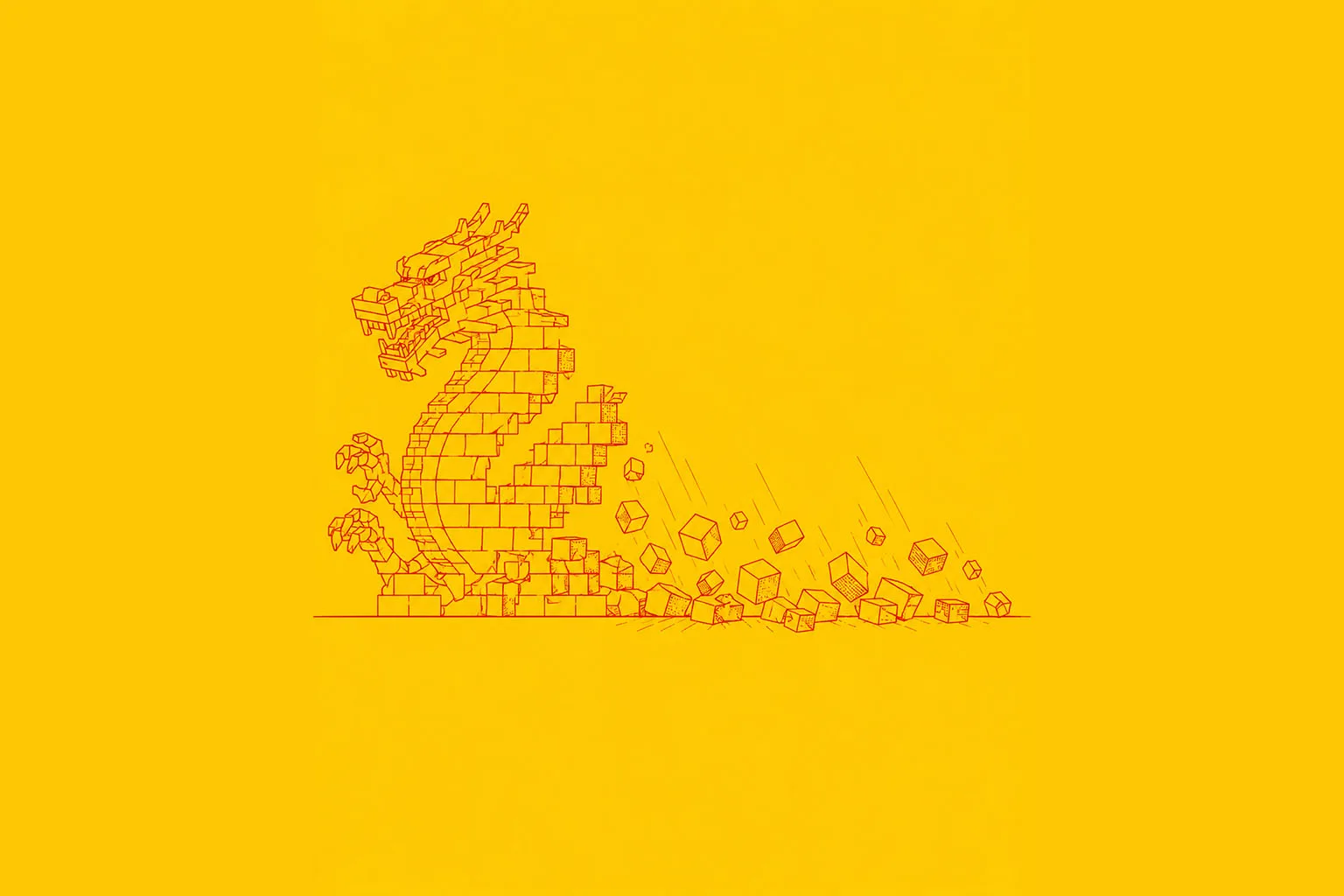
Consequence #2 — China Wins the Island and Loses 16.7% of Its Economy
One of the structural assumptions underpinning Western analysis of the Taiwan risk is that China is a rational economic actor. That a state capable of modelling the economic consequences of invasion would not invade, because the cost of winning is greater than the value of the prize.
That assumption deserves stress-testing.
Bloomberg Economics models China’s GDP impact in the full-conflict scenario at -16.7%. Sixteen point seven percent. In a single year. That is the economic equivalent of erasing the entire GDP of Australia and the Netherlands simultaneously. It would represent the largest peacetime economic contraction of any major economy in the post-war period.
The mechanism is straightforward. China’s manufacturing sector — the engine of its growth model — is deeply integrated with global supply chains that depend on components, capital equipment, and markets that would be immediately severed by sanctions. Western nations would implement coordinated economic restrictions comparable to or exceeding those applied to Russia in 2022. China’s access to advanced semiconductors — ironically, many of which are manufactured in the territory it just invaded — would be cut. Export markets accounting for a significant portion of Chinese GDP would close overnight.
So why does the risk remain real? Because economic rationality is not the only variable in Xi Jinping’s calculus. Legacy, ideology, the 2027 Congress, and the belief that China’s relative power peaks in the next five years before demographic decline sets in — these are inputs that do not appear in an economic model.
🟡 Blockade → -8.9%
🔴 Invasion with US conflict → -16.7%
📍 Next in the series
Consequence #3 — The US Briefed Apple and Nvidia Privately. What US security officials told America’s largest technology companies in a classified supply chain briefing — and what the number they shared means for the Western business model.
⚡ The consequence to watch
China absorbing a -16.7% GDP shock does not mean its economy collapses in isolation. It means global demand from the world’s second-largest economy drops catastrophically — hitting every business that sells into Chinese markets, sources from Chinese manufacturers, or competes with Chinese producers who suddenly have nothing to lose on price.
🔧 The drill
Map your China revenue and China-sourced cost exposure as a percentage of total. If either number exceeds 15%, you need a scenario plan for both zeroing out simultaneously. Most businesses have one — almost none have both.
Sources: Bloomberg Economics (Feb 2026); Responsible Statecraft (2025); Insurance Journal (2024). Full series: polarismng.com