









Strategic communication
Clear narratives, stakeholder alignment and communication systems built for organisations in motion.
Seen from Barcelona, Polaris stands about 41.4° above the horizon: its altitude matches our latitude. Everything else in the night sky turns around it. We aim to be that fixed reference for our clients' decisions.
Experience
Organisations we have worked with and that you can verify independently. Further references on request.
What we do
Polaris works where communication, technology and governance meet. No theatre, no off-the-shelf playbook: the right team and a clear line from diagnosis to execution.
Clear narratives, stakeholder alignment and communication systems built for organisations in motion.
Practical roadmaps that connect technology, teams and commercial priorities without losing sight of delivery.
Applied AI, KPI dashboards and operating models that turn fragmented information into accountable decisions.
Compliance run as a managed service: assessment, policy, implementation and the everyday questions in between.
Preparation, protocols and senior counsel for situations where speed, judgement and credibility matter.
Running a company between €10m and €30m in turnover? We have a way of working designed for that size.
For growing companiesA town or city council? Municipal creativity, citizen satisfaction you can measure and AI governed to European standards.
For local governmentThe partners
Polaris is a boutique firm. The two partners who sign the proposal are the people who do the work, bringing in specialists when an assignment needs them.
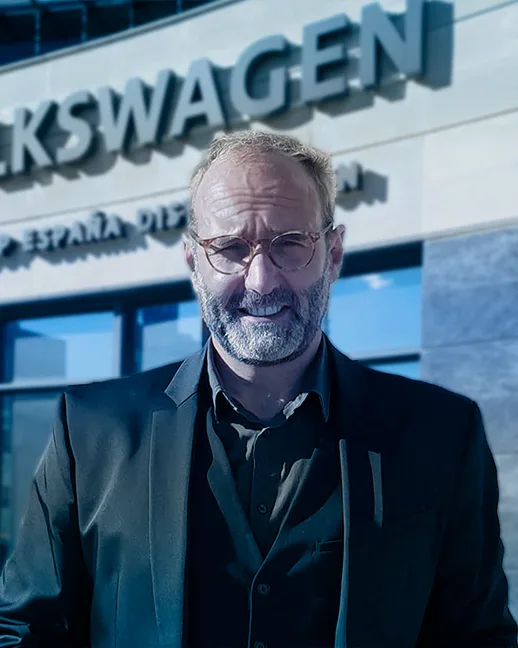
Co-founder and CTO. Known as Mando.
More than 35 years in technology. Ran Incúbame Startup Incubator for almost eight years. Lectures at UVic, EADA and Deusto. Co-founder and CTO of Atheron AI.

Co-founder and CDO. Known as Uge.
Co-founded IC/B Imagenclara (Buenos Aires, 1997), headed communications at Grupo Conektia (2004–2008) and has worked as a freelance photojournalist since 2004. Founded and ran the e-commerce business Chicamanga (2011–2025). President of Atheron AI.
Selected work
Selected assignments spanning strategy, institutions, innovation and reputation.

Thrive Digital Roadmap

Decision intelligence
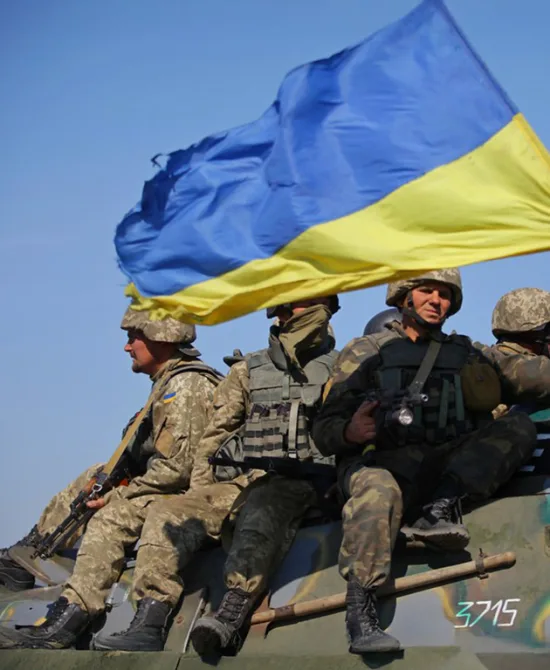
Crisis protocols

Co-creation programme
Our principle
“The point is not to predict every turn. It is to give organisations enough clarity to choose the next one.”